
Three connected areas of inquiry
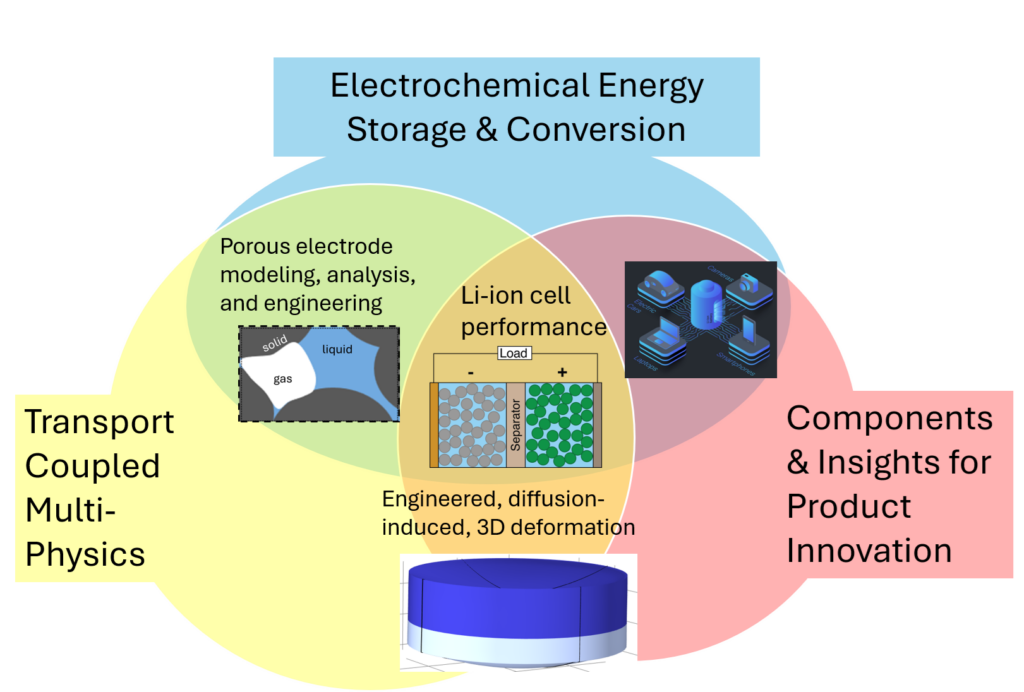
Drake Research examines electrochemical energy systems, transport-coupled multiphysics, and the translation of technical insight into components and products.
See Li-ion convection cell project connecting all research areas
01
Advancing electrochemical energy storage and conversion through cell- and electrode-scale engineering
We investigate and seek to overcome cell polarization that limits rate capability and efficiency during galvanic and electrolytic operation, including fast charging and applications requiring extended duration or range. Systems of interest include lithium-ion and alkaline batteries, aqueous electrolyzers, and proton exchange membrane fuel cells. Rather than relying only on new materials, we explore alternative electrode and cell designs and modes of operation. These approaches seek to control the transport of neutral and ionic species, improve concentration uniformity, and manage heat within electrodes and cells. By reducing charge-transfer, ohmic, concentration, and thermal penalties, we aim to lessen the tradeoff between high-rate capability and energy-dense designs.
02
Coupling transport with electrochemical, chemical, and mechanical behavior
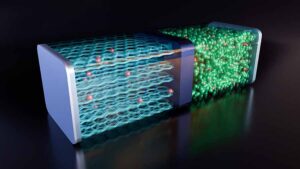
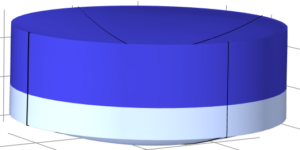
Under concentration, temperature, or pressure gradients, molecular diffusion, migration, fluid flow, and heat transfer can strongly influence performance and can also induce stress and deformation. We study these coupled phenomena to create intentional benefits or avert detrimental transport limitations. In electrochemical systems, this includes engineering electrolyte movement, concentration uniformity, thermal management, and gas-liquid access within porous electrodes. Beyond electrochemical systems, our interests include diffusion-induced mechanical deformation and the use of geometry to control passive material response. These problems connect transport fundamentals with component design, mechanics, and experimentally testable behavior.
03
Connecting technical insights and context for product innovation
Technical innovation requires both meaningful improvement and adoption. This area connects the scientific and engineering attributes of a concept with patterns of use, operating conditions, manufacturing processes, capital requirements, and technoeconomics. The aim is to identify which technical questions matter most and guide engineering research toward meaningful societal impact. Battery-powered products offer opportunities to combine electrochemical engineering with an understanding of product context and user behavior. A new product or process need not be technically superior in every respect to create value. Its distinctive attributes can provide benefits when they are understood and incorporated into a system that people can use effectively.

A project connecting the three research areas
Lithium-Ion Convection Cell
The lithium-ion convection cell is one example of research that integrates electrochemical cell engineering, transport-coupled multiphysics, and product-focused design.
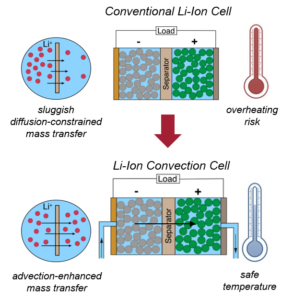
Diffusion-limited transport produces concentration gradients, increased polarization, and heat accumulation.
Lithium-ion convection cell. Electrolyte flow substantially improves concentration uniformity, reduces polarization, suppresses heat generation, and increases the rate and controllability of heat removal.
Simulations by Dr. Weiran (Sasha) Gao
All three areas are open for discussion about collaboration and support.